There is a very specific moment in adulthood that nobody really prepares you for. It is the moment you stand in an empty house, keys in hand, surrounded by echo and dust and optimism, and realise that every penny you own has just been handed over to a bank for the foreseeable future. It is thrilling. It is nauseating. It is deeply character-building.
When we bought our home in 2019, we did it in the most classic millennial way possible. With enthusiasm, spreadsheets, blind faith and absolutely no spare cash. By the time the mortgage, fees and various unexpected costs had cleared, our bank balance was less nest egg and more emotional support number. We had a house, which felt enormous. We also had nothing left to actually make it nice. That was the beginning of our education in slow homes, DIY resilience and the strange emotional weight that comes with paint charts, plumbing invoices and the quiet pressure to make a space feel like it loves you back.
Getting the Keys and Losing the Plot Slightly
The day we got the keys should have felt cinematic. And in some ways, it did. We opened the door, walked into rooms that were suddenly ours, and stood there imagining dinner parties, Christmas mornings and a future that felt reassuringly permanent. Then reality arrived.
The carpets were tired. The walls were aggressively yellow. The bathroom had opinions, none of them good. And the overwhelming truth was that we could not afford to fix any of it properly. Not yet. Possibly not for years. Decorating became less of a creative exercise and more of a survival strategy. What can we live with. What can we ignore. What absolutely has to be dealt with before it becomes a hazard. We learned quickly that owning a home is not one big glow-up. It is a series of small, often invisible decisions that stop the place from falling apart.
Decorating as a Labour of Love, Not a Pinterest Board
In the early years, decorating was about making the house homely and livable. Not perfect. Not impressive. Just kind. We painted rooms ourselves because labour costs were out of the question. We learned how to cut in properly by doing it badly first. We accepted brush marks, uneven edges and the occasional patch that never quite matched. Furniture was collected slowly. Some pieces were new, some second-hand, some inherited, some questionable but necessary.
There was no grand design scheme. No mood boards. Just the quiet satisfaction of turning rooms from blank and slightly depressing into spaces that felt warm enough to land in at the end of the day. At that stage, personality came second to comfort. We needed the house to function. To hold us. To be forgiving when life felt loud elsewhere. And in that way, it did exactly what it was supposed to do.
The Reset Nobody Talks About
A few years later, something shifted. The house was fine. Perfectly livable. Entirely ours. And yet, it started to feel flat. Like a draft version of something that had more to say. We had outgrown the choices we made when money was tight and confidence was lower. The neutral walls that once felt safe now felt apologetic. So we started again. Not all at once, because that is not how real life works. But deliberately.
This time, decorating was not about survival. It was about intention. Looking at the space we actually have, not the one we thought we should want, and asking what would make it feel dynamic, layered and personal. Colour came back into the conversation. So did texture. So did the idea that a room could feel emotional, not just presentable.
Starting From the Ground Up, Again
There is something humbling about ripping out something you once worked hard to put in. It forces a kind of honesty. This worked then. It does not work now. Both things can be true.
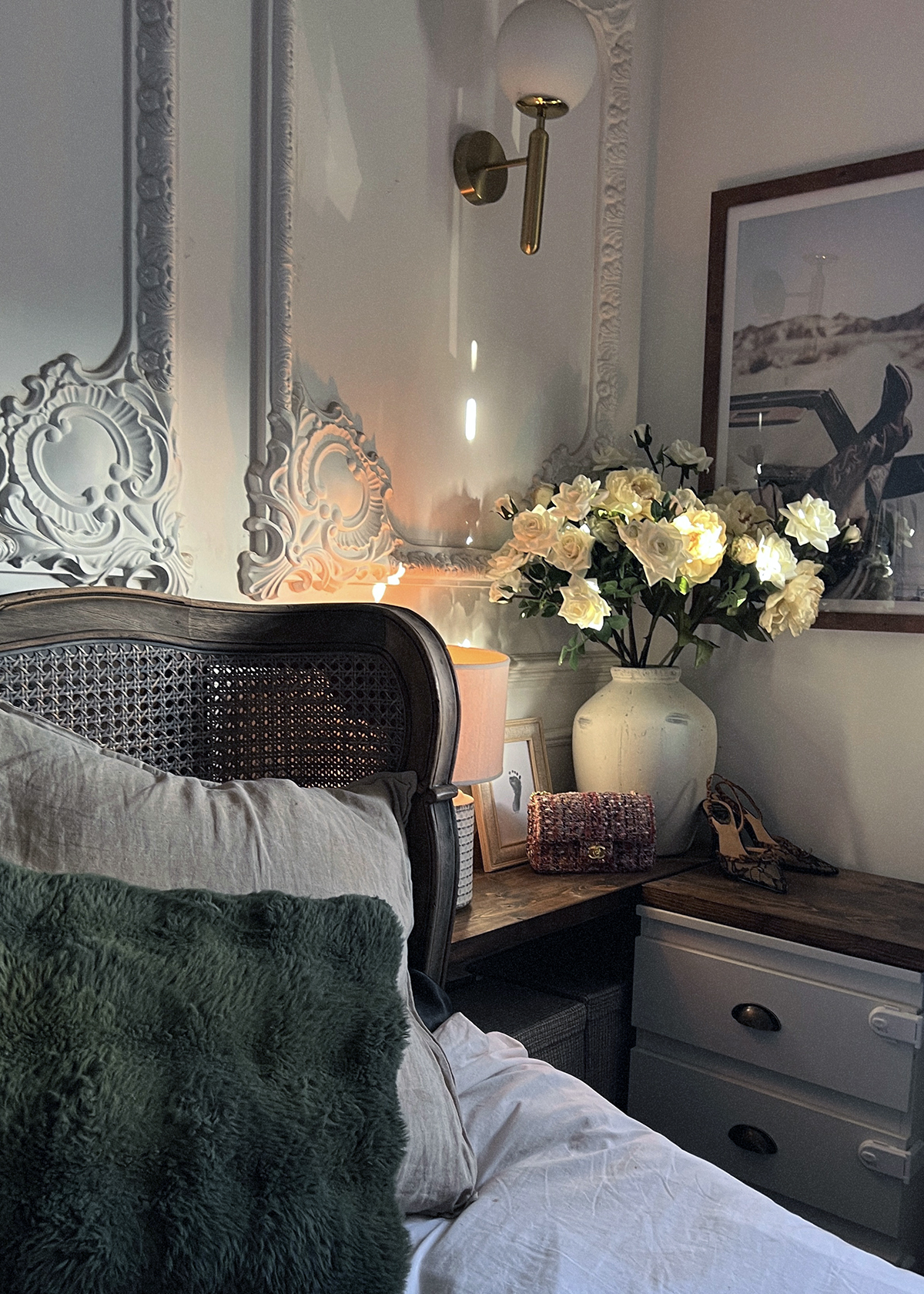
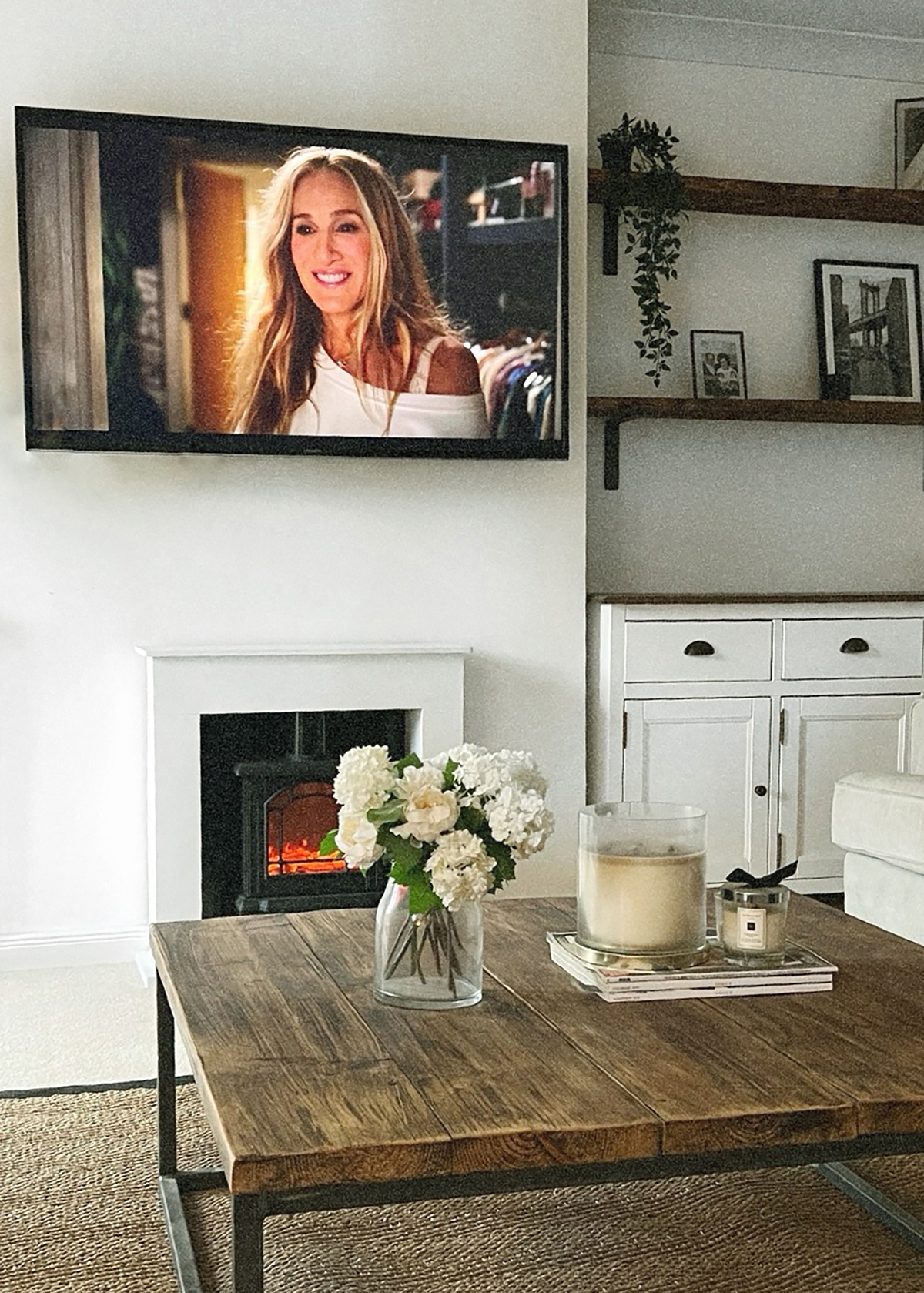
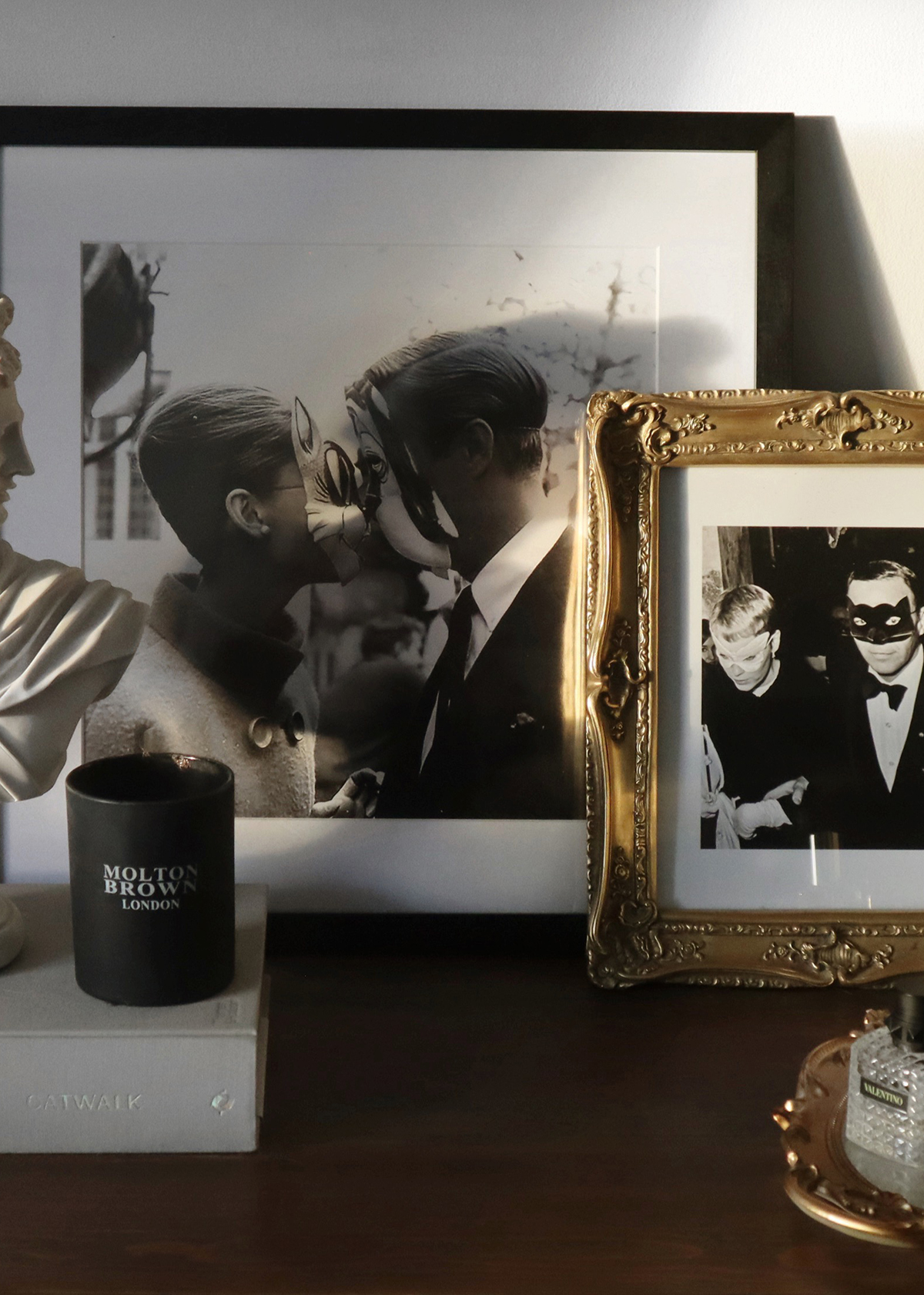
We started from the ground up, literally and metaphorically. Flooring decisions suddenly mattered. Lighting became a priority rather than an afterthought. We paid attention to how rooms were used, how light moved through them, and how they felt at different times of day. Injecting personality was no longer about buying things. It was about editing. Removing what no longer felt like us and building back slowly, layer by layer. A bolder wall colour here. A piece of art that made us feel something there. Softness where life feels sharp. Structure where chaos threatens. It was less about trends and more about mood. Less about impressing and more about belonging.
Plumbing Problems and Perspective
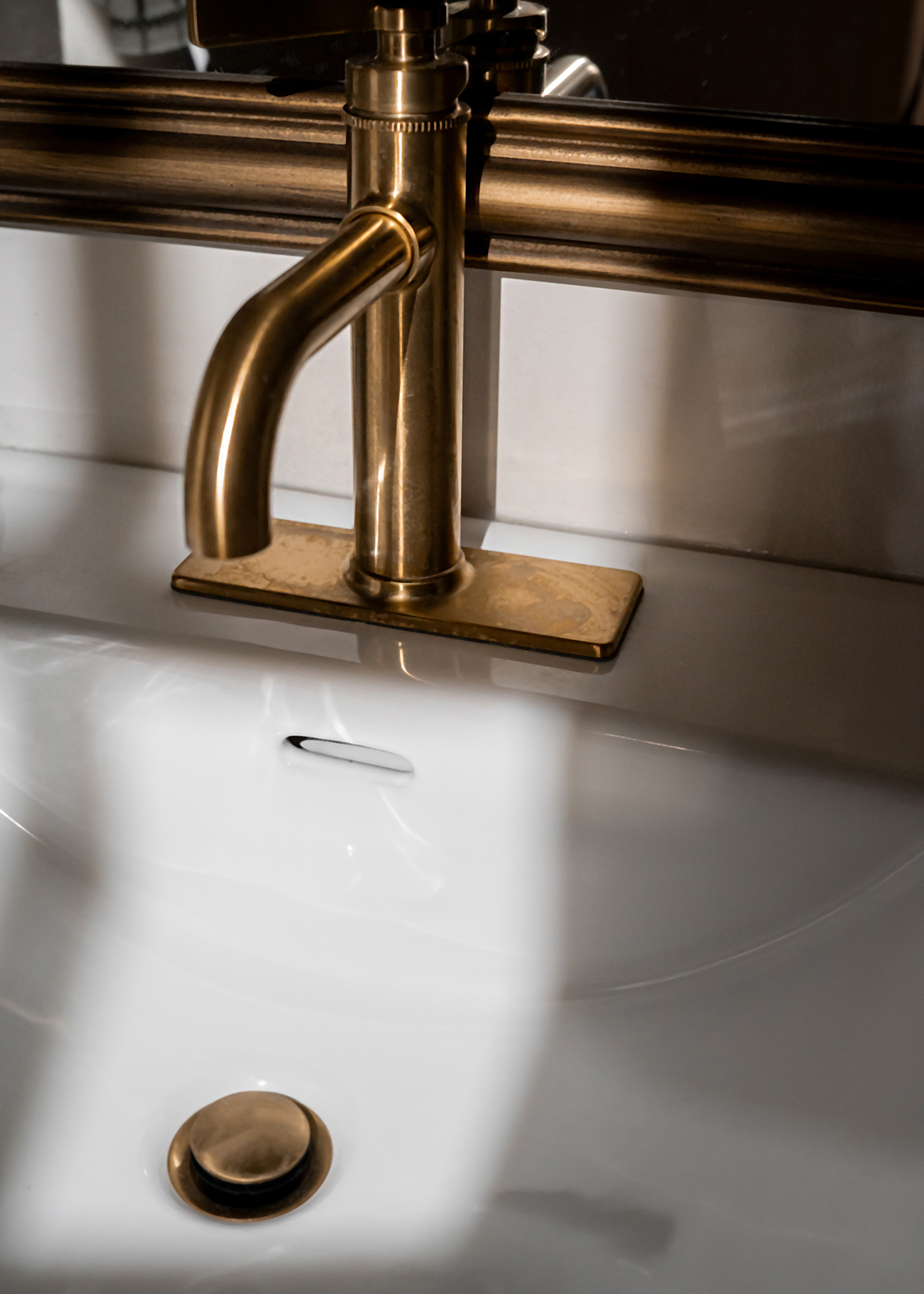
Of course, none of this happens in a vacuum. Every creative decision is punctuated by something breaking. A leak appears just as you are feeling pleased with yourself. A pipe makes a noise that suggests it is thinking about revenge. A room you were planning to paint gets delayed because something far less aesthetic needs urgent attention.
Home ownership is a constant negotiation between vision and maintenance. Between the dream version of your house and the reality that it is a living, ageing structure that requires care and money and patience. And yet, even the plumbing problems have a strange way of grounding you. They remind you that this is not a show home. It is a place that is lived in. A place that holds stress and laughter and the quiet moments in between.
Watching a Room Come Together
There is nothing quite like the moment a room finally clicks. The paint dries. The light hits it differently than you expected, in a good way. Furniture settles into place like it was always meant to be there. The room exhales, and so do you. It is not about perfection. It is about harmony. About a space feeling complete enough to stop thinking about it and start living in it.
Those moments are deeply emotional in a way that sounds dramatic until you experience it. Because you are not just decorating a room. You are creating an environment that will hold your everyday life. Your tired mornings. Your busy evenings. Your conversations, arguments, celebrations and silences. Seeing a room come together feels like proof that effort accumulates. That patience pays off. That you can build something meaningful slowly, even when it feels endless.
The Comfort of a Home That Knows You
A comforting home does something subtle but powerful. It steadies you. It gives your nervous system somewhere to rest. It offers familiarity when everything else feels uncertain. It reflects who you are now, not who you were trying to be when you first moved in.
As we inject more personality and depth into our home, it feels less like a project and more like a companion. A space that evolves with us. That holds our history in its layers of paint and imperfect decisions. It is not always pretty. It is often inconvenient. It regularly demands more money than we would like. But it gives back in ways that are hard to quantify and impossible to replicate.
Why It Is Worth It, Even When It Is Hard
Owning a home is not a fairytale. It is paint samples spread across the floor. It’s a plumbing emergency at the worst possible time. It is the low-level anxiety of knowing that everything is your responsibility now. But it is also pride. Comfort. A sense of rooting yourself somewhere and slowly, imperfectly making it yours.
We did not create our home overnight. We are still creating it. Room by room. Decision by decision. With mistakes, compromises and moments of absolute joy. And maybe that is the point. A home, like a life, is not something you finish. It is something you tend to. With care, patience and the occasional existential crisis thrown in for character development.
Paint dries. Pipes get fixed. Rooms evolve. And somehow, through all of it, you end up with a space that feels like it knows you. Which, in a world that often feels loud and uncertain, is no small thing at all.