Writing a novel sounds romantic in theory — you picture yourself tucked in a cosy corner of a café, your fingers flying across the keyboard as inspiration flows like poetry. For years, that image was my daydream: me, writing my masterpiece, effortlessly crafting the next great modern novel. What I didn’t imagine was the chaos that would accompany it — the sleepless nights, the self-doubt, the endless rewrites, and the countless glasses of Pinot Grigio that kept me sane along the way. This is the story of how I learned that novel writing isn’t glamorous — it’s gritty, unpredictable, and absolutely worth it.

The Dream vs. The Draft
When I first sat down to start my novel, I was convinced I had everything under control. I had my idea, my outline, and my playlist ready to go. My characters had full backstories, my plot had perfect pacing, and I thought I knew exactly how the story would end. Spoiler: I did not. Within the first few chapters, my “brilliant outline” started to crumble faster than a poorly baked cookie. Suddenly, my protagonist refused to cooperate, my villain became unexpectedly sympathetic, and one crucial plot twist broke the timeline completely.
That’s when I learned one of the first universal truths of novel writing — the book you plan is never the book you write. No matter how tight your outline or how beautiful your character arcs, once you start putting words on the page, the story becomes its own living, breathing creature. And sometimes, that creature bites.
But even amid the mess, there was magic. Watching the world I imagined take shape — flawed, tangled, and alive — reminded me why I fell in love with writing in the first place. Creativity is rarely clean. It’s chaotic, unpredictable, and a little wild. And that’s what makes it worth chasing.
Plot Holes and Panic
Every writer has a moment when they realize something doesn’t add up. Mine happened halfway through my first draft, when I discovered my protagonist was in two places at once. Somehow, they were fighting for their life in Chapter 14 while also having a heartfelt conversation in Chapter 15. It was a literary magic trick — one I hadn’t intended to perform.
Plot holes became my nemesis. I’d spend hours staring at my manuscript, trying to untangle the timeline or rewrite entire chapters to fix a single error. At one point, I even considered creating a spreadsheet just to track my character’s movements — because apparently, writing fiction had turned into an Excel sport.
But here’s what I realized: plot holes aren’t signs of failure. They’re signs of progress. They mean you’ve built something complicated enough to break. Each rewrite, each messy fix, each “oh no” moment brought me closer to a tighter, more coherent story. The panic turned into persistence, and the persistence turned into pride. Because every plot hole filled is a battle won.
Procrastination: My Unofficial Co-Author
If there’s one thing I excel at more than writing, it’s avoiding writing. I’d suddenly develop an overwhelming urge to reorganize my bookshelf, color-code my notes, or deep-clean my kitchen whenever I sat down to draft. Procrastination wasn’t just a habit — it was an art form.
At first, I felt guilty about it. Every “wasted” day felt like proof I wasn’t a real writer. But over time, I realized procrastination isn’t always the enemy. Sometimes, stepping away gives your subconscious time to solve problems your conscious mind can’t. Some of my best ideas came when I wasn’t writing at all — walking, cleaning, or staring into space with a glass of Pinot in hand.
That’s not to say I let procrastination win every time. Setting small, achievable goals saved me: writing 500 words a day instead of aiming for perfection. Progress, not perfection, became my mantra. Slowly but surely, those half pages turned into chapters, and those chapters became a manuscript.
Pinot Grigio and Perspective
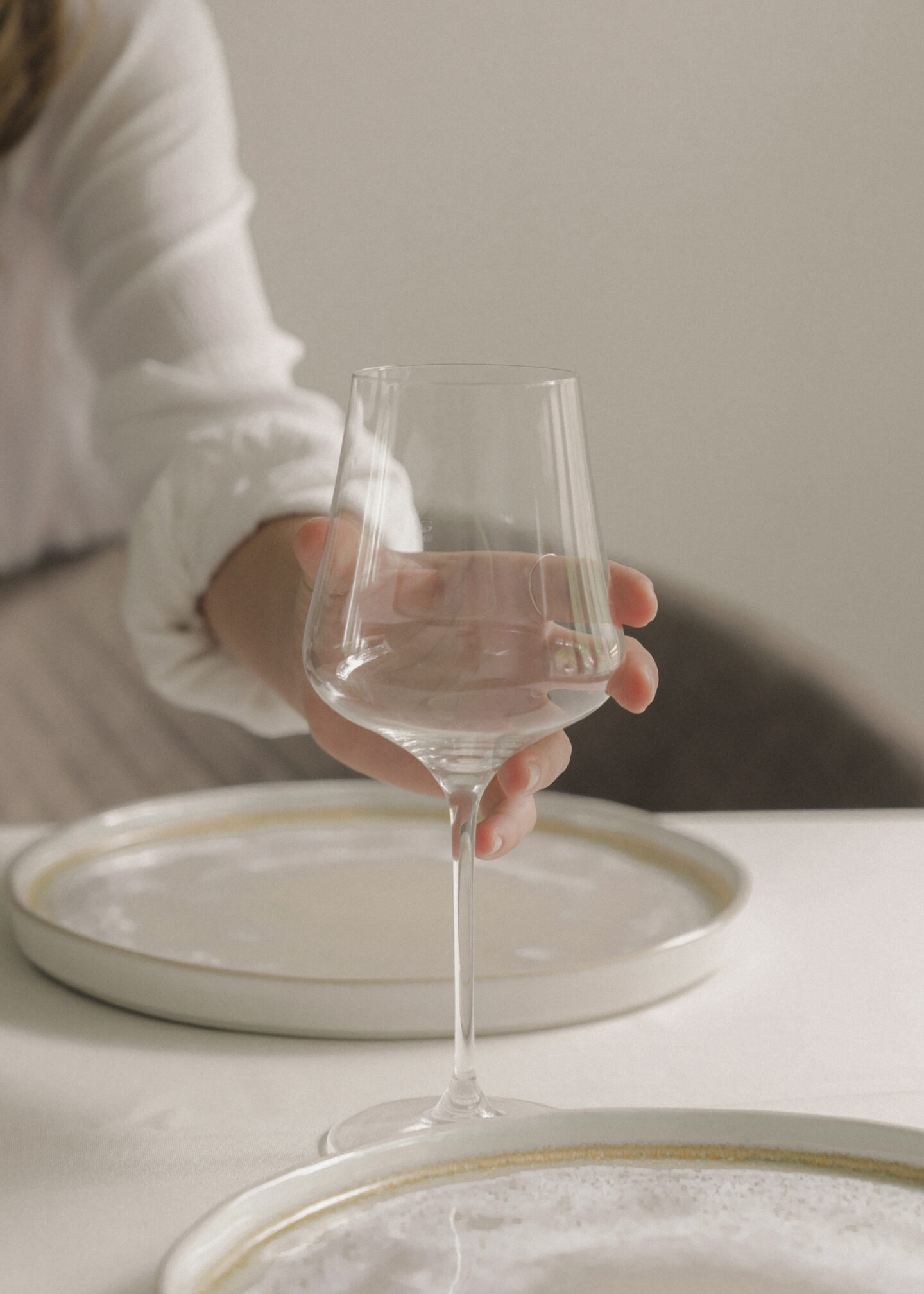
Pinot Grigio became my not-so-secret writing companion — not because I needed it, but because it symbolized something important: permission to relax. Writing a novel can feel like trying to sculpt a mountain with a teaspoon. Sometimes, you just need to step back, take a sip, and remind yourself why you’re doing it in the first place.
That glass of wine became my ritual — a small celebration of the chaos, the creativity, and the courage it takes to keep going. It reminded me that writing isn’t about perfection; it’s about persistence. It’s about sitting with your story, even when it frustrates you, even when you don’t know what happens next. The Pinot helped me slow down and find perspective — and sometimes, that’s exactly what the creative process needs.
Lessons from the Rewrite Trenches
Now that I’ve gone through several drafts, here’s what I’ve learned:
The first draft is supposed to be messy. Don’t edit as you go; just get the story out.
Progress is rarely linear. Some days you’ll write 2,000 words; others you’ll stare at the blinking cursor. Both are part of the process.
Perfection is the enemy of finished. You can’t edit a blank page, but you can always fix a messy one.
Writing is as much about emotional endurance as creative talent.
Most importantly, I learned that the act of writing — showing up for the story, even when it’s hard — is where the real magic happens. Every time I opened my laptop, I was proving to myself that I could finish something I once thought impossible.
The View from (Almost) the End
As I write this, my novel is finally nearing completion. It’s been through countless rewrites, plot surgeries, and identity crises. It’s not perfect — but it’s mine. What started as a wild dream and a blinking cursor is now a tangible story that carries pieces of me in every line.
So here’s to the writers still in the trenches — the ones fighting their own plot holes, wrestling their own procrastination, and finding comfort in a glass of something crisp. Writing a novel is chaos and catharsis in equal measure. It’s messy, unpredictable, and deeply human.
Here’s to the plot holes that teach us patience, the procrastination that hides creative breakthroughs, and the Pinot Grigio that reminds us to breathe, laugh, and keep writing. Because in the end, every story — just like every bottle — is meant to be savoured.